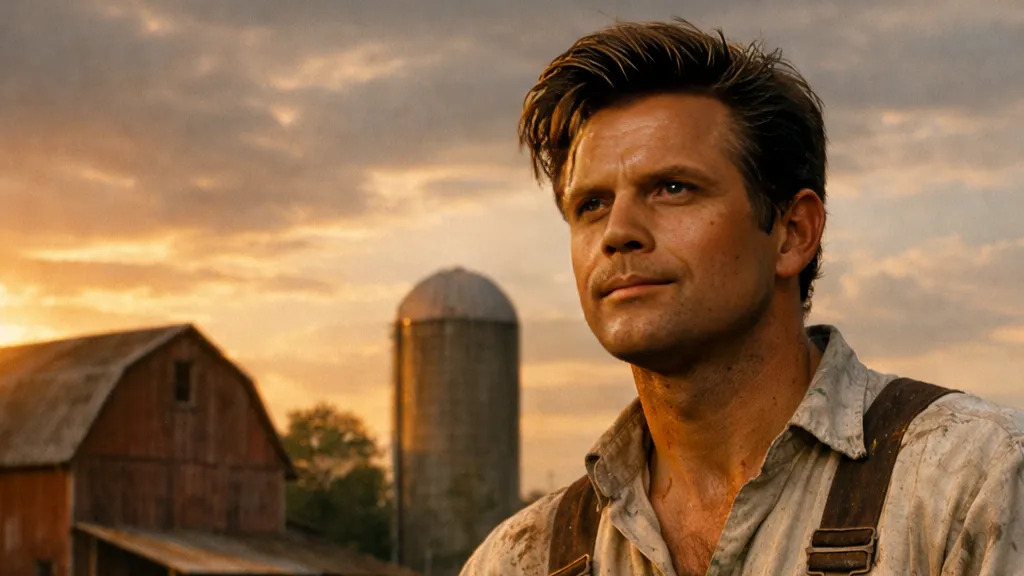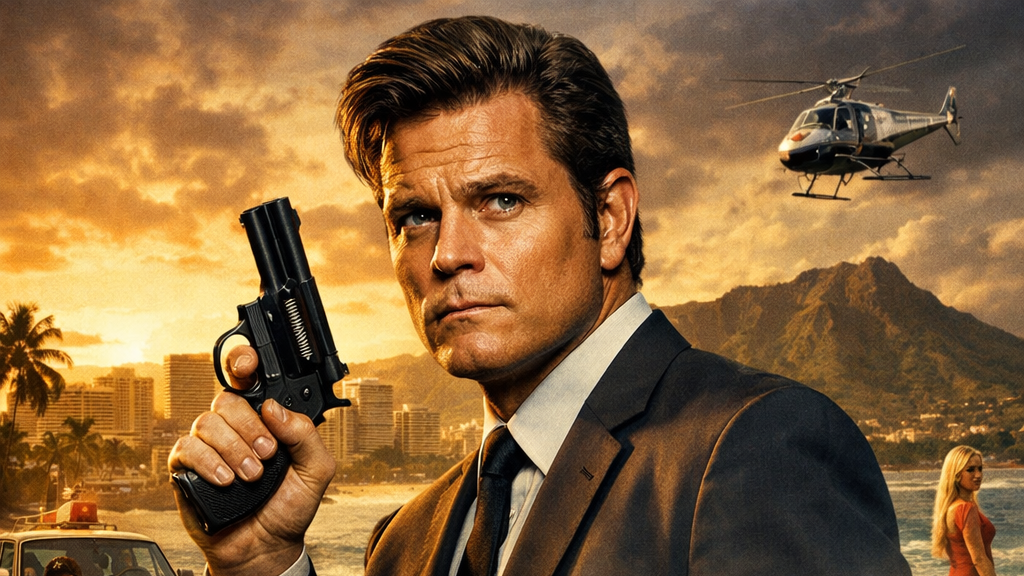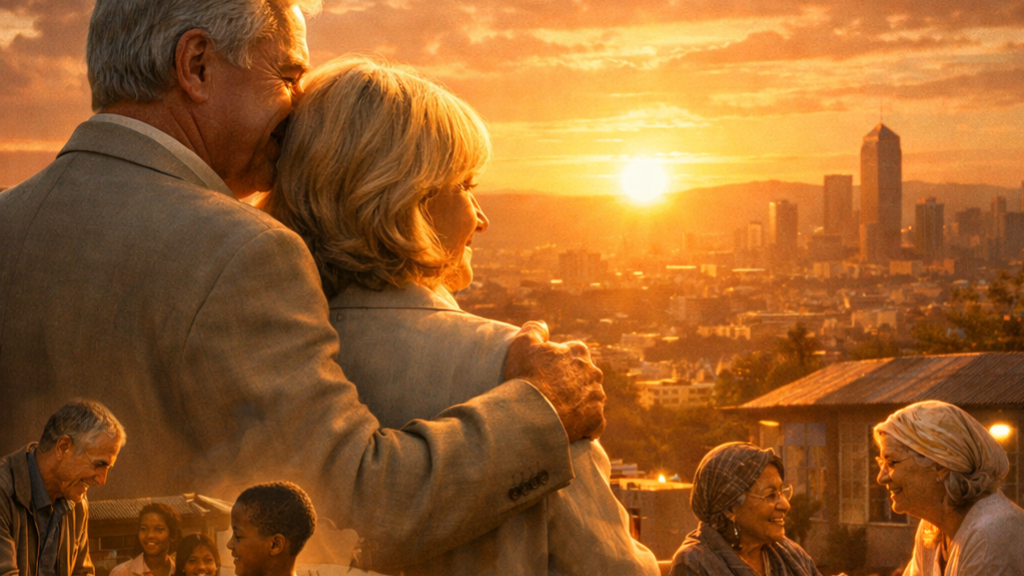
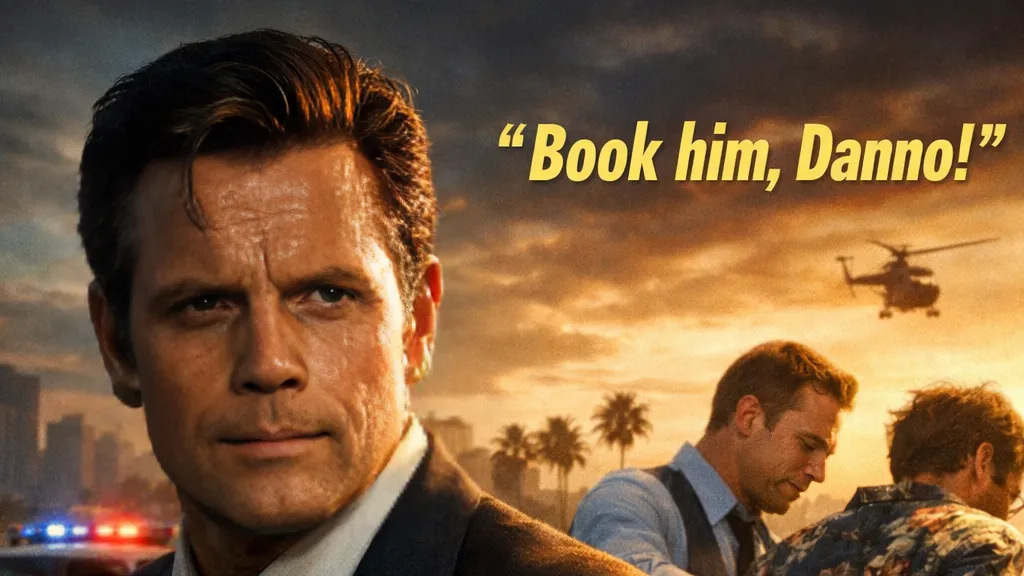
Jack Lord will always be remembered as Steve McGarrett, the determined detective who brought criminals to justice and made "Book him, Danno!" a cultural touchstone. Hawaii Five-0 remains a beloved classic, and Jack's performance continues to be celebrated by television historians and fans alike. But his true legacy—the one he and Marie carefully crafted together—extends far beyond entertainment. Their story challenges our conventional notions of wealth, success, and what it means to leave a lasting mark on the world.
The Conventional Path Not Taken
In American culture, success typically follows a predictable pattern: work hard, accumulate wealth, provide for your family, leave an inheritance to your children, perhaps donate to charity along the way. The wealthiest often establish private foundations that bear their names, with family members serving on boards and controlling philanthropic decisions for generations. Buildings, programs, and institutions carry donor names in perpetuity, ensuring that wealth translates into lasting recognition and influence.
Jack and Marie Lord could have followed this conventional path. They had the wealth. They had the fame. They could have established the Lord Foundation with a board of directors, hired staff, and maintained control over their philanthropic legacy. They could have demanded naming rights—the Lord Wing at a hospital, the Lord Theater at a museum, the Lord Scholarship Program at a university. They could have kept substantial assets for themselves, living in luxury and leaving portions to extended family or friends.
They chose none of this. Instead, they chose a path so radical that it challenges our basic assumptions about wealth and legacy.
The Power of Complete Generosity
Marie Lord's decision to give away the couple's entire $40 million estate represents a form of generosity that's almost unheard of in modern philanthropy. She didn't give away a portion—she gave away everything. She didn't maintain control—she trusted an established institution. She didn't seek recognition—she simply gave and stepped back.
This complete generosity reflects a fundamentally different understanding of wealth's purpose. For most people, wealth is something to accumulate, protect, and pass down. It represents security, options, and the ability to provide for loved ones. Giving it away—especially giving all of it away—feels risky, even reckless.
But the Lords understood wealth differently. They saw it as a tool for creating impact, not as an end in itself. They understood that security and comfort beyond a certain point don't increase happiness or meaning. They recognized that the greatest satisfaction comes not from what we keep but from what we give.
This understanding allowed them to do what most wealthy people cannot: let go completely. They released their attachment to wealth, control, and recognition in favor of maximizing impact for others.
Endowment Giving: A Model for Perpetual Impact
The Lords' choice to create an endowment rather than spending down their wealth represents sophisticated philanthropic thinking. An endowment creates perpetual impact, generating returns year after year while preserving the principal. This means the Lords' gift will serve Hawaii not just for years or decades, but potentially for centuries.
Consider the mathematics: A $40 million endowment generating 4-5% annual returns produces $1.6-2 million every year, forever. Over twenty years, that's $32-40 million in grants—nearly matching the original gift amount. Over fifty years, it's $80-100 million. Over a century, it's $160-200 million. And the endowment continues beyond that, serving generation after generation.
This is the power of endowment giving: it creates a legacy that grows rather than diminishes over time. The Lords' gift will ultimately distribute far more than $40 million to Hawaiian nonprofits—it will distribute hundreds of millions over the coming decades and centuries.
Endowment giving requires a different mindset than direct giving. It requires thinking beyond immediate needs to long-term sustainability. It requires trusting that future generations will steward the gift wisely. It requires accepting that you won't see all the impact your gift creates—that much of it will happen after you're gone.
The Lords embraced this long-term vision completely. They understood that the greatest gift they could give wasn't immediate relief but permanent support that would serve Hawaii's communities forever.
Values Over Dynasty
The Lords' decision to give everything away rather than building a family dynasty reflects a particular set of values: gratitude, community, and service over individual or family aggrandizement.
Gratitude meant recognizing that their success wasn't solely their own achievement. Hawaii had given Jack his career-defining role, his financial success, and a home he loved. The entertainment industry had provided opportunities. Audiences had supported his work. The community had embraced them. Their wealth was built on a foundation of support from others, and they felt obligated to return that support.
Community meant understanding that they were part of something larger than themselves. They weren't isolated individuals who happened to live in Hawaii—they were members of a community with shared interests, mutual obligations, and collective well-being. Their wealth could serve that community, strengthening the social fabric and supporting the vulnerable.
Service meant believing that wealth's highest purpose is helping others. Not comfort, not security, not status, not family dynasty—but service to those in need. This belief allowed them to give everything away without regret or reservation.
These values aren't universal. Many people prioritize family legacy, personal security, or individual achievement over community service. The Lords' values led them to different choices—choices that created extraordinary impact but required extraordinary sacrifice.
What the Lords Teach Us
Jack and Marie Lord's story offers lessons that extend far beyond philanthropy:
Success carries responsibility. Those who benefit from community support, public infrastructure, and social stability have obligations to give back. Success isn't solely individual achievement—it's built on foundations others created.
Wealth is a tool, not an end. Money's value lies in what it can accomplish, not in accumulation for its own sake. Beyond a certain point, additional wealth doesn't increase happiness or meaning—but it can create enormous impact if directed wisely.
Legacy is measured by impact, not recognition. The Lords could have demanded naming rights and public recognition. Instead, they chose anonymous impact. Their legacy lives in changed lives, not in buildings bearing their name.
Complete generosity is possible. Most people assume they need to keep substantial assets for security and family. The Lords demonstrated that complete giving is possible and can create extraordinary impact.
Trust enables transformation. By trusting the Hawaii Community Foundation to steward their gift, the Lords enabled something larger than they could have created alone. Trust in institutions and future generations allows for transformative philanthropy.
Childlessness creates philanthropic opportunity. Without children to inherit, the Lords were free to direct their wealth toward community impact. This freedom allowed them to think differently about legacy and purpose.
A Challenge to Conventional Wisdom
The Lords' story challenges several pieces of conventional wisdom about wealth and inheritance:
"You need to keep substantial assets for security." Marie gave away everything, trusting that her needs would be met. This level of trust is rare but demonstrates that security doesn't require hoarding wealth.
"Family comes first." The Lords prioritized community over extended family, choosing to serve thousands rather than enriching a few relatives.
"Donors need control to ensure impact." The Lords trusted the Hawaii Community Foundation to steward their gift wisely, demonstrating that institutional trust can work.
"Recognition motivates giving." The Lords gave without seeking recognition, demonstrating that impact itself can be sufficient motivation.
"Wealth should be preserved for future generations." The Lords chose to spend their wealth on current and future community needs rather than preserving it for family descendants.
These challenges don't mean the Lords' approach is right for everyone. But they demonstrate that alternatives exist to the default patterns of wealth accumulation and inheritance.
The Measure of a Life
Jack Lord lived seventy-seven years. He achieved fame, wealth, and professional success. He created memorable performances and entertained millions. But when we measure his life, what matters most?
Is it the 281 episodes of Hawaii Five-0? The iconic catchphrase? The Broadway performances? The paintings he created as a young man? These are all significant achievements, worthy of recognition and celebration.
But perhaps the truest measure of Jack Lord's life is what he and Marie chose to do with everything they accumulated. They chose gratitude over greed, community over dynasty, service over status, and impact over recognition. They chose to give everything away, trusting that their wealth could serve Hawaii's communities long after they were gone.
This choice reflects character forged in Jack's childhood on that New York farm, refined through years of struggle and success, and shared with a partner who embraced the same values. It reflects a life lived with purpose, integrity, and commitment to something larger than personal achievement.
A Legacy That Lives Forever
Today, more than two decades after Jack Lord's death, his and Marie's legacy continues growing. The Jack and Marie Lord Fund has distributed tens of millions of dollars to Hawaiian nonprofits. Thousands of people have received hospice care, vision services, educational opportunities, and community support. Countless more will benefit in the decades and centuries to come.
Most of these beneficiaries will never know Jack and Marie Lord's names. They won't know about Steve McGarrett or Hawaii Five-0. They won't know about the farm boy who became a Broadway star who became a television icon who became one of Hawaii's greatest philanthropists.
But their lives will be better because two people who loved Hawaii chose to give everything back. That is the power of transformative philanthropy: it outlives us, outgrows us, and accomplishes more than we could ever achieve in a single lifetime.
Jack Lord will be remembered as Steve McGarrett. But he should be remembered as something more: a man who understood that true legacy isn't measured in what we leave to our heirs, but in what we leave for everyone. A man who, with his partner Marie, created a model for giving that prioritizes impact over ego, sustainability over flash, and community over dynasty.
Their story reminds us that we all face choices about what to do with what we've been given. We can accumulate and hoard, or we can share and serve. We can build dynasties, or we can build communities. We can seek recognition, or we can seek impact.
Jack and Marie Lord made their choices. Their legacy—quiet, humble, and extraordinarily generous—will serve Hawaii's communities for as long as anyone can imagine. That is a life well-lived. That is a legacy worth remembering.
This remarkable story was brought to readers through the research and dedication of the 501 DONATE YouTube channel, which highlights extraordinary philanthropic legacies and the people behind them.