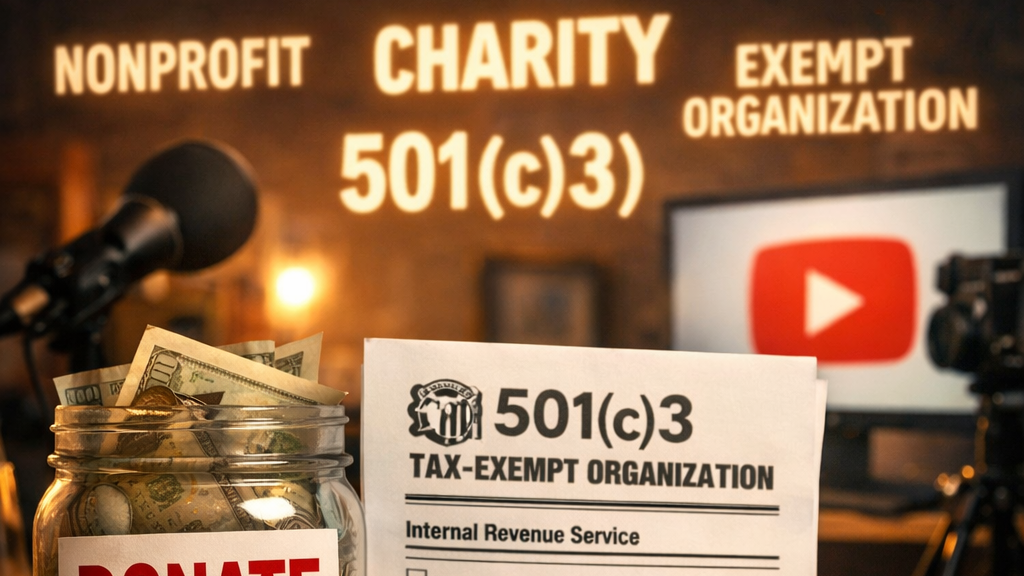
Many people use the terms "nonprofit," "charity," "exempt organization," and "501(c)(3)" interchangeably. However, these terms aren't synonymous. An organization might be a nonprofit without being a charity, or it could be tax-exempt without holding 501(c)(3) status. Understanding these distinctions is crucial if you're planning to start a charitable organization that can drive real impact.
What Is 501(c)(3) Status?
Section 501(c)(3) refers to a specific portion of the U.S. Internal Revenue Code that grants federal tax exemption to nonprofit organizations meeting certain requirements. Organizations with this status can operate as public charities, private foundations, or private operating foundations.
While 501(c)(3) is just one category within the broader 501(c) classification system, it's the most significant for charitable organizations. Here's why: donations made to 501(c)(3) organizations are tax-deductible for donors, which isn't true for most other tax-exempt categories.
The Internal Revenue Service (IRS), operating under the U.S. Department of Treasury, regulates and administers 501(c)(3) status. This means the IRS determines which organizations qualify, monitors their compliance, and can revoke status if requirements aren't met.
Understanding what 501(c)(3) status means—and what it doesn't mean—is the foundation for making informed decisions about your organization's structure and future. This designation carries both significant benefits and serious responsibilities that will shape how your organization operates for years to come.
501 Donate connects donors with thoroughly vetted charities and causes that matter. For questions, reach us through our YouTube channel, website, or email—or contact the 501(c)(3) organization directly. Please note that 501 Donate is a for-profit marketing company, not itself a nonprofit or charity, and does not accept donations or gifts of any kind.