Behind every great act of generosity is a story of values, partnership, and deliberate choice. For Jack and Marie Lord, their philanthropic journey didn't begin with a deathbed decision or a sudden windfall. It began with a shared understanding of what mattered, a deep gratitude for what they'd been given, and a thoughtful, decade-long commitment to giving back. Their approach to philanthropy was as deliberate and disciplined as Jack's approach to acting—and it would lay the foundation for one of the most remarkable charitable gifts in American history.
A Partnership in Values
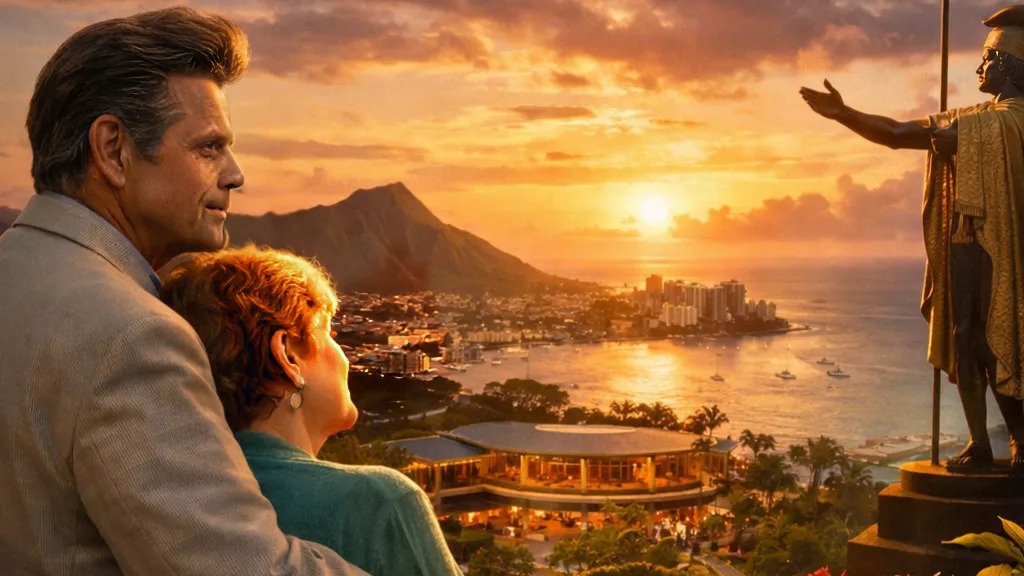
Somewhere along his journey, Jack Lord met Marie—a woman who would become not just his wife but his true partner in every sense. While Jack was the public face, Marie was his equal in vision, values, and commitment to making a difference. Together, they shared a belief that success carried responsibility, that wealth was a tool for good, and that Hawaii—which had given them so much—deserved something meaningful in return.
The details of how they met and fell in love remain largely private, as the Lords preferred to keep their personal life out of the spotlight. But what's clear from their actions is that they were genuinely partners—not in the superficial sense of attending events together, but in the deeper sense of sharing fundamental values and making major life decisions together.
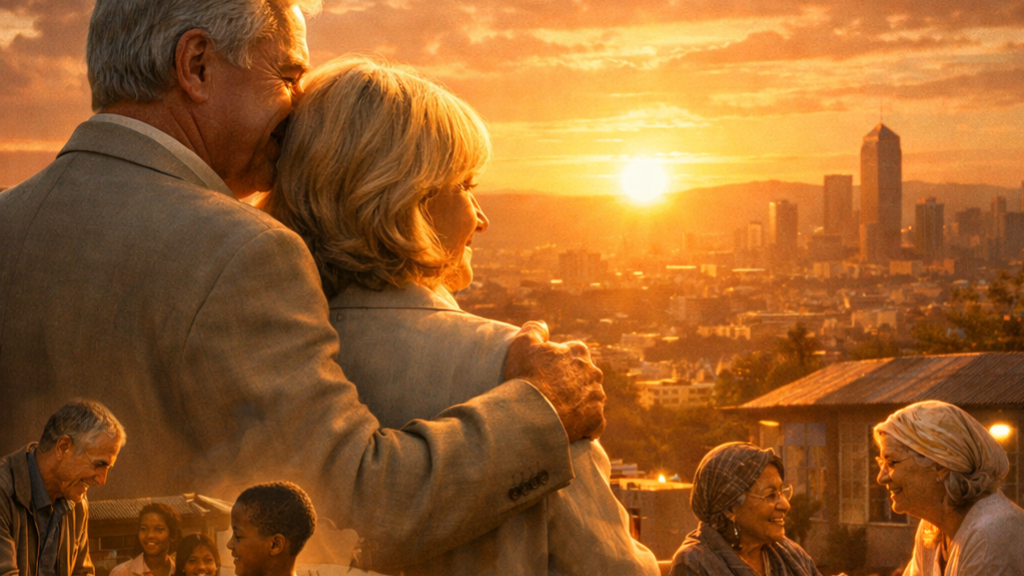
Marie wasn't simply supporting Jack's charitable impulses. She was an equal architect of their philanthropic vision. The decisions they made about giving were joint decisions, reflecting shared priorities and mutual commitment. This partnership would prove essential, because the most significant philanthropic act would come from Marie after Jack's death—a decision that honored their shared values and completed the vision they had built together.
The Freedom of Childlessness
The Lords were childless, a fact that would prove significant to their philanthropic legacy. Without children to inherit their estate, they were free to think differently about what they wanted their wealth to accomplish. Rather than building a family dynasty, they could build something that would serve thousands of families.
This freedom from traditional inheritance expectations allowed the Lords to ask different questions: What do we want our wealth to accomplish? Who needs it most? How can we create lasting impact rather than temporary relief? What would honor the place and people who gave us so much?
For many wealthy individuals, the question of inheritance is fraught with complexity—balancing fairness among children, providing for grandchildren, maintaining family businesses or properties. The Lords faced none of these complications. Their wealth was entirely theirs to direct according to their values and vision.
It's worth noting that childlessness doesn't automatically lead to philanthropy. Many childless wealthy individuals leave their estates to extended family, friends, or let it be distributed according to standard inheritance laws. The Lords' decision to give everything away was a choice, not an inevitability—a choice that reflected their character and values.
Establishing the Fund: A Thoughtful Beginning
In 1988, while Jack was still alive and well, the couple established a fund at the Hawaii Community Foundation with an initial contribution of $50,000. This wasn't a deathbed decision or a last-minute tax strategy—it was a deliberate, thoughtful commitment made while they could still be actively involved in shaping its direction.
The Hawaii Community Foundation, established in 1916, serves as a steward for charitable funds, managing investments and distributions according to donors' wishes. By choosing to work through the Foundation rather than establishing their own private foundation, the Lords demonstrated their trust in an established institution and their desire to avoid the administrative burden of running their own charitable entity.
That initial $50,000 gift in 1988 was significant but not overwhelming—roughly equivalent to $120,000 in today's dollars. It was a serious commitment that showed genuine intent, but it was also a beginning, not an ending. The Lords were establishing a structure that they could build upon over time.
Identifying Their Values Through Beneficiaries
The Lords identified twelve local Hawaiian charities that aligned with their values: organizations serving the most vulnerable, supporting education and culture, caring for animals, and strengthening communities. These weren't the flashiest or most famous nonprofits—they were organizations doing essential, often unglamorous work that made real differences in real lives.
The twelve beneficiaries they chose revealed their priorities:
Hospice Hawaii and St. Francis Hospice reflected a concern for end-of-life dignity and support for families facing loss.
Guide Dogs of Hawaii and the Hawaii Lions Eye Foundation showed commitment to helping people with disabilities maintain independence and quality of life.
PBS Hawaii's HIKI NŌ, The Arc, and Variety School demonstrated belief in education, youth development, and opportunities for people with special needs.
The Honolulu Museum of Art and Bishop Museum revealed appreciation for culture, history, and the arts—natural priorities for someone who had been a painter before becoming an actor.
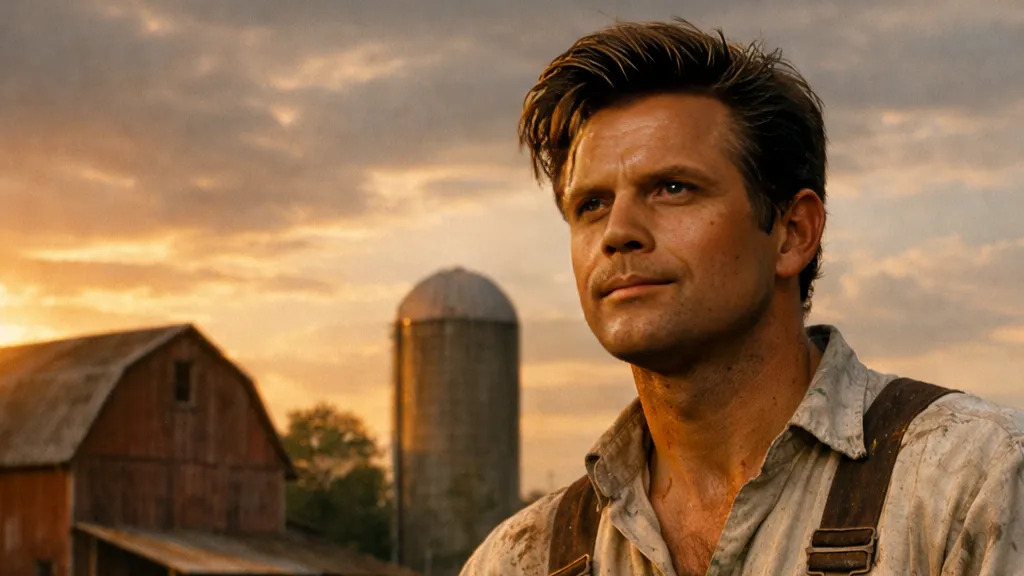
The Hawaiian Humane Society honored Jack's lifelong connection to animals, dating back to his childhood riding horses on his mother's farm.
USO Hawaii and the Salvation Army's Kroc Center supported military families and provided essential community services.
This wasn't a random collection of charities. It was a carefully considered portfolio that reflected the Lords' values: compassion for the vulnerable, support for education and culture, care for animals, and service to community. Each organization was local to Hawaii, ensuring that their giving would benefit the place they loved.
A Decade of Quiet Generosity
Over the next decade, Jack and Marie quietly continued contributing to their fund. There were no press conferences, no buildings named after them, no galas celebrating their generosity. They gave the way they lived: with dignity, purpose, and without seeking recognition.
By the time Jack Lord died in 1998, the couple had contributed $750,000 to the Hawaii Community Foundation—a substantial sum that reflected years of consistent, intentional giving. In today's dollars, that's approximately $1.4 million—a significant commitment that demonstrated serious philanthropic intent.
This decade of giving established a pattern and a relationship. The Lords weren't strangers to the Hawaii Community Foundation when Jack died. They were established donors with a track record, known values, and identified beneficiaries. They had built trust and demonstrated commitment. This foundation would prove crucial when Marie faced the biggest decision of her life.
The Humility of Private Giving
What's remarkable about the Lords' approach to philanthropy during this period is what they didn't do. They didn't seek publicity for their giving. They didn't demand naming rights or special recognition. They didn't create a private foundation that would keep the Lord name prominent in perpetuity with family members on the board.
They simply gave, quietly and consistently, to organizations doing work they believed in. This humility reflected Jack's character—the farm boy who had worked as a car salesman, who understood that real worth isn't measured by recognition or acclaim. It also reflected a mature understanding of philanthropy: that the goal is impact, not ego gratification.
Many wealthy donors give primarily for the recognition it brings—the named buildings, the gala tributes, the social status that comes with being known as a philanthropist. The Lords gave because they believed it was the right thing to do, because they were grateful for what they'd received, and because they wanted to make a difference. The recognition was irrelevant.
Building a Legacy Together
Jack Lord died in 1998, leaving behind his iconic television legacy and a decade of thoughtful, quiet philanthropy. But the story was far from over. In fact, the most extraordinary chapter was just beginning—a chapter that would be written by Marie, honoring the values and vision she and Jack had built together.
Their decade of giving had established the framework: the fund structure, the beneficiary organizations, the relationship with the Hawaii Community Foundation, and most importantly, the shared understanding that their wealth belonged not to them but to the community that had given them so much.
What came next would transform their generous but conventional philanthropy into something unprecedented—a gift so complete and unrestricted that it would stun even seasoned philanthropic professionals and create a legacy that would serve Hawaii in perpetuity.
501 Donate connects donors with thoroughly vetted charities and causes that matter. For questions, reach us through our YouTube channel, website, or email—or contact the 501(c)(3) organization directly. Please note that 501 Donate is a for-profit marketing company, not itself a nonprofit or charity, and does not accept donations or gifts of any kind.